

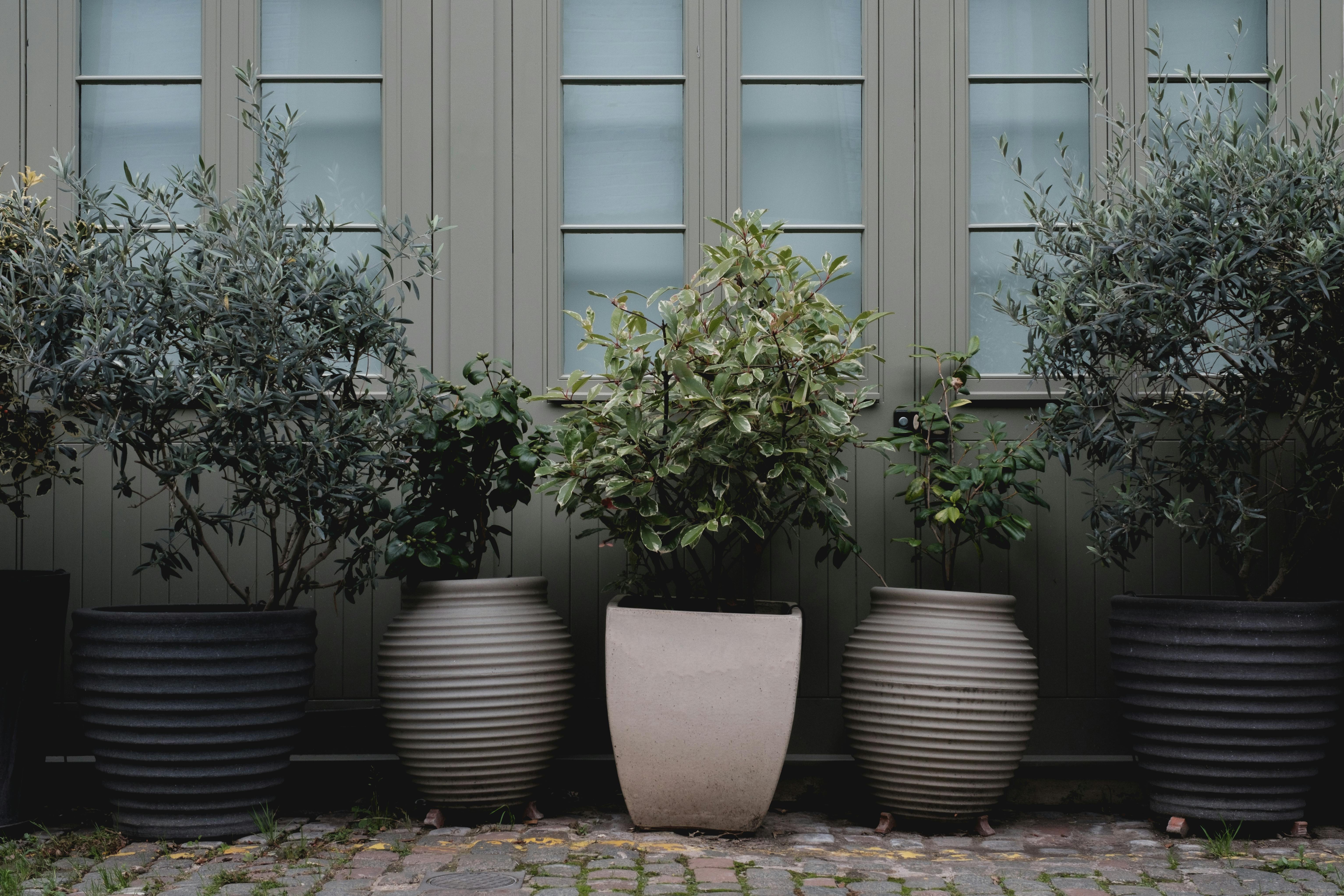
Most “modern garden design” articles show you the same 15 photos of concrete pavers and ornamental grasses, then leave you wondering what it actually costs, whether you need permission to build it, and why your attempt never looks like the picture. This guide covers all three, because a garden that looks good on Pinterest but breaks planning rules or floods every winter isn’t a modern garden.
It’s an expensive mistake. Modern garden design isn’t a fixed look. It’s a set of principles: restraint, intentional lines, and materials that work with your climate instead of against it. In the UK, that means factoring in rain, clay soil, and local council rules that most guides never mention. Below are 15 ideas that actually hold up once the novelty photos are gone, followed by the practical side nobody covers.
What Actually Makes a Garden “Modern” (Not Just Trendy)
Before the list, it helps to know what separates a genuinely modern garden from one that just has grey paving and a fire pit. Modern design is built on three things: simplicity, repetition, and purposeful negative space. Every plant, slab, and light fixture earns its place. If you can remove something and the garden still works, it probably shouldn’t have been there. This is also why modern gardens are often cheaper to maintain long term, even though the initial setup can cost more than a traditional cottage garden.
15 Modern Garden Design Ideas That Work in Real UK Yards
1. Floating timber decking with hidden drainage Raised, gapped decking lets rainwater pass through instead of pooling, which matters far more in the UK than in drier climates shown in most design blogs.
2. Corten steel edging instead of timber borders Corten steel rusts into a stable, rich orange finish and never rots, making it a low-maintenance alternative to timber for defining beds and paths.
3. Monochrome planting with textural contrast Stick to two or three tones (grey-green, deep green, silver) and let leaf shape and texture do the visual work instead of flower colour.
4. Sculptural single-specimen trees One well-placed multi-stem Amelanchier or Acer does more for a modern look than a dozen mixed shrubs.
5. Permeable gravel or resin-bound paths These reduce surface flooding, a growing requirement under UK sustainable drainage (SuDS) guidance, and look sleeker than solid concrete.
6. Built-in bench seating with hidden storage Fixed benches along a boundary wall save space and double as storage for cushions or tools, which small UK gardens desperately need.
7. Vertical green walls using modular planters A living wall on a shed or fence adds greenery without eating into floor space, ideal for terraced houses with narrow plots.
8. Linear water rills instead of round ponds A narrow, straight water channel fits the geometric language of modern design far better than a traditional circular pond.
9. Low-voltage integrated lighting Uplighting a single tree or lighting the edge of a step creates drama without the clutter of multiple garden lamps. This pairs well with the ideas covered in Outdoor Lighting Ideas for a Warm and Modern Night Ambience.
10. Concealed bin and utility zones A slatted timber or metal screen hides bins and utility meters, something almost no design blog mentions but every real UK garden needs.
11. Outdoor kitchen or pizza oven zone A compact built-in cooking area, even a simple grill station, extends garden use into a functional living space rather than just a view.
12. Raised planters at varying heights Stepping planter heights creates depth in small gardens without needing more square footage, a trick borrowed from the ideas in Smart Small Garden Design Ideas to Maximize Every Inch.
13. Artificial turf panels combined with real planting Used sparingly as geometric panels rather than a full lawn replacement, artificial turf keeps maintenance low without looking fake.
14. A single bold focal sculpture or fire feature One striking element, whether a fire bowl or abstract sculpture, gives the eye somewhere to rest, which is a core modern design principle.
15. Kitchen-to-garden composting corner Tucking a discreet composting bin into a modern layout supports the soil naturally, and ties into the practical tips in Organic Gardening Tips to Turn Kitchen Waste into Natural Plant Food.
The Planning Permission Rules Almost No Garden Blog Mentions
This is where most “modern garden design” content stops short, and it’s exactly where UK homeowners get caught out. Decking over 30cm high, boundary walls over one metre next to a road, or two metres elsewhere, and any structure with a roof (like a garden bar or outdoor kitchen build) can require planning permission depending on your council.
Water features connected to mains plumbing may also need building regulations sign-off if they involve electrical wiring near water. Before committing to a raised deck or a built-in kitchen, a five-minute call to your local planning department can save months of dispute with neighbours later. This single step is skipped in almost every garden design article, yet it’s often the difference between a smooth project and a forced removal notice.
Real Cost Breakdown: What Modern Garden Design Actually Costs in the UK
Most design sites show inspiration photos with zero pricing context. Here’s a realistic range based on typical UK contractor quotes for a medium-sized garden (around 50 to 80 square metres).
| Element | Typical UK Cost Range |
|---|---|
| Permeable gravel or resin path | £45 to £90 per m² |
| Timber decking with drainage gaps | £120 to £220 per m² |
| Corten steel edging | £60 to £120 per linear metre |
| Low-voltage lighting (per fixture, installed) | £35 to £90 |
| Water rill feature | £800 to £2,500 |
| Living wall (modular, per m²) | £150 to £350 |
| Built-in seating (per linear metre) | £180 to £400 |
These figures assume professional installation. DIY versions using the same materials, particularly decking and edging, can cut costs by 30 to 50 percent if you’re comfortable with basic tools, an area covered in more depth in 20 DIY Home Improvement Projects Anyone Can Do.
Common Mistakes That Make a “Modern” Garden Look Cheap Instead of Sleek
A few habits quietly undermine the modern look, even when the individual elements are correct. Mixing more than three hard landscaping materials (say, grey slabs, red brick, and timber decking together) breaks the visual unity modern design depends on. Overplanting flowering annuals in a space meant to be restrained also clutters the look fast. Another common issue is skipping drainage planning entirely, which in the UK’s climate leads to standing water and slippery paving within a single wet season. Finally, cheap solar lights bought in bulk rarely match the low, warm glow that makes modern gardens feel considered rather than assembled.
Choosing the Wrong Furniture and Accessories
Modern garden design depends on simplicity, so oversized furniture, bright plastic pieces, or too many decorative items can quickly make the space feel cluttered. Choose outdoor furniture with clean lines, durable materials, and colors that complement the overall garden palette. A few carefully selected pieces usually create a more polished appearance than filling the area with unnecessary accessories.
Ignoring Maintenance and Long-Term Growth
A modern garden should look refined not only when it is newly completed but also years later. Choosing plants that grow too large, allowing weeds to take over clean borders, or ignoring regular upkeep can quickly reduce the sleek appearance. Low-maintenance plants, proper spacing, and planned growth patterns help maintain the structured look that defines modern garden design.
Seasonal Maintenance for a Modern Garden
One reason people abandon modern designs is assuming they’re maintenance-free. They’re low maintenance, not zero maintenance. In spring, check drainage channels and gravel paths for winter debris and top up mulch around sculptural plants. In summer, trim hedging and topiary to keep the clean lines that define the style.
Autumn is when Corten steel and timber need a quick inspection for leaf buildup that can trap moisture against surfaces. Winter is mainly about protecting any water features from freezing and checking lighting cables haven’t been disturbed by frost heave. For broader seasonal plant care, the tips in Using Garden Tips To Improve The Appearance Of Your Garden work well alongside a modern layout.
Conclusion
A modern garden isn’t about copying a photo, it’s about applying a few consistent principles: restraint, purposeful materials, and design that respects your local climate and council rules. The ideas above give you the visual direction, while the cost figures, planning guidance, and maintenance calendar give you the practical grounding that most competitor content skips entirely. Start with one or two changes, like permeable paving or a single sculptural planting area, rather than overhauling the whole yard at once, and the modern look will build naturally without draining your budget in one go.
FAQs
1. How much does a modern garden design cost in the UK?
A medium garden typically ranges from £3,000 to £15,000 depending on materials and whether you DIY parts of it.
2. Do I need planning permission for a modern garden makeover?
Usually not for planting or paving, but decking over 30cm high, tall walls, or roofed structures often do.
3. What plants suit a modern garden design?
Ornamental grasses, box hedging, Acer trees, and structural evergreens work best for clean, minimal looks.
4. Is modern garden design low maintenance?
It’s lower maintenance than cottage gardens but still needs seasonal upkeep, especially drainage and hedge trimming.
5. Can a small garden still look modern?
Yes, using vertical planting, varied planter heights, and a restrained material palette works especially well in compact spaces.